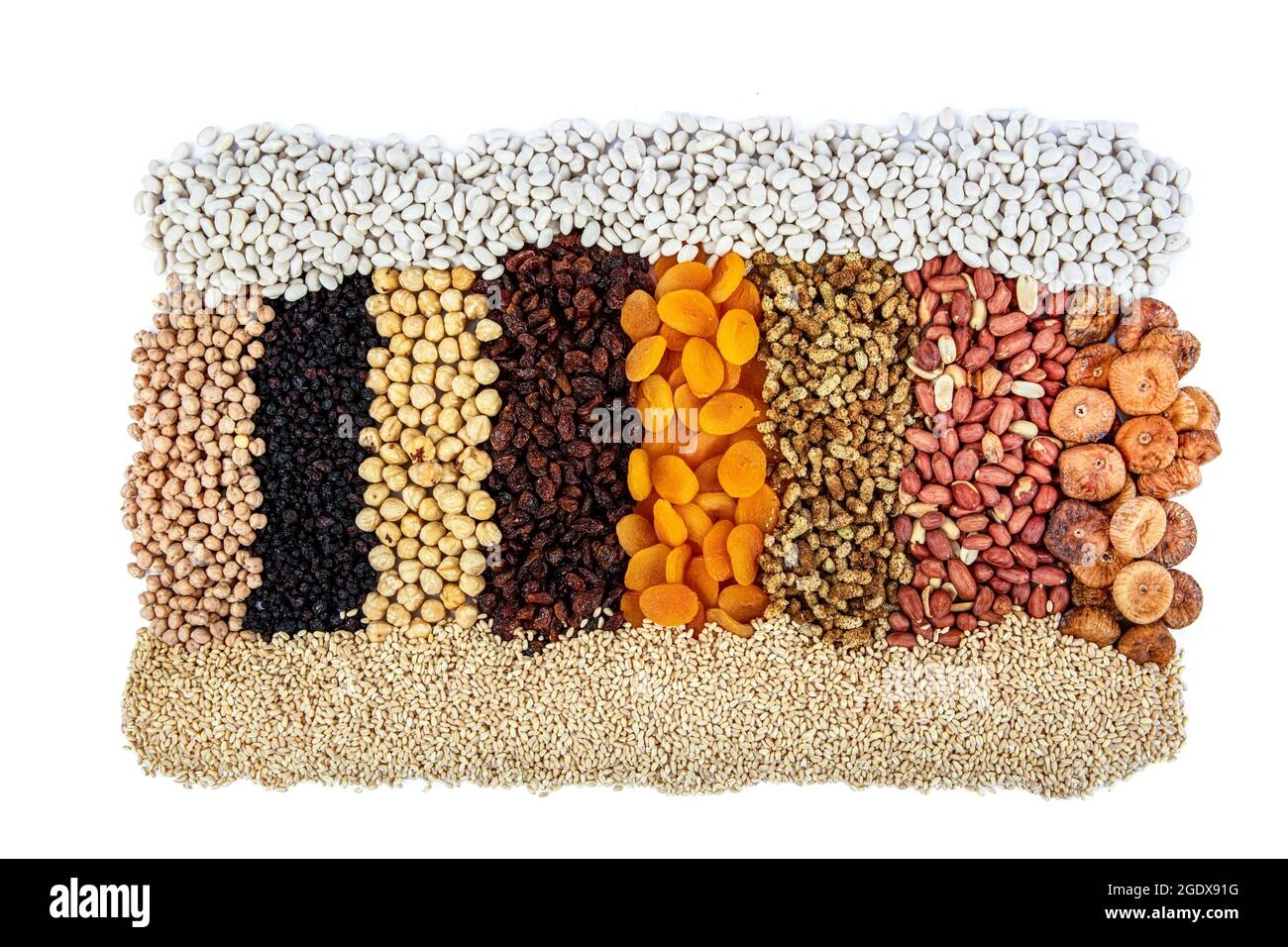
Quality ingredients we use
It all started with a wasp.
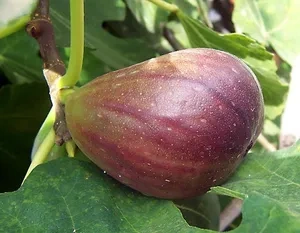
Smyrna Figs - The king of the figs
🐝Why World's Best Figs Need a Wasp On the Payroll.
Listen up, sweet-tooth squad — we’re diving deep into the weird, wild world of the wasp… and how it works wonders for Smyrna figs! (Oh, and side note: the finest Smyrna figs in the world? Those come straight from Turkey. Boom. You’re welcome.)
Alright, winter is rolling in, so the garden’s taking a nap and that means one thing: dried fig time. We’re talkin’ that irresistible, seed-packed crunch. And those “seeds”? Surprise! They’re actually the real fruits of the fig. Yep, what we call the fig “fruit” is actually just a juicy little pouch—a hollow stem—lined with tiny fruits on the inside. But let’s keep things simple: I’ll keep calling that sweet pouch the “fruit” and the crunchy bits the “seeds.” Deal?
So, how do these little crunch-makers get in there? Pollination, of course—but Smyrna figs don’t make their own pollen. And here’s the twist: they’re not exactly your typical flower on the outside. No, they’re kind of a botanical inside-out surprise party.
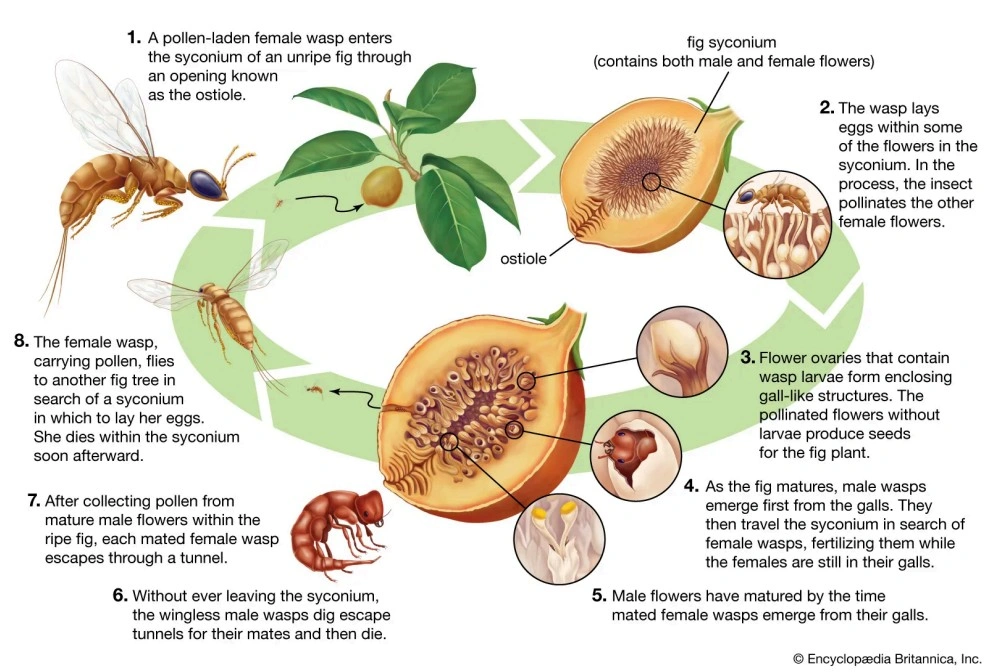
Enter the wasp: the pollination MVP.
Mediterranean farmers long ago figured out Smyrna fig trees could be tricked into fruiting if you hung inedible “wild goat figs” (aka caprifigs) in their branches. But the real magic? It’s not wind or bees—it’s that tiny fig wasp. The caprifigs supply the pollen, and our little winged courier carries it right into the heart of each growing Smyrna figlet.
California growers in the 1880s planted these trees without knowing the wasp secret, and guess what? All their baby figs just fell off. No wasp, no fruit—simple as that.
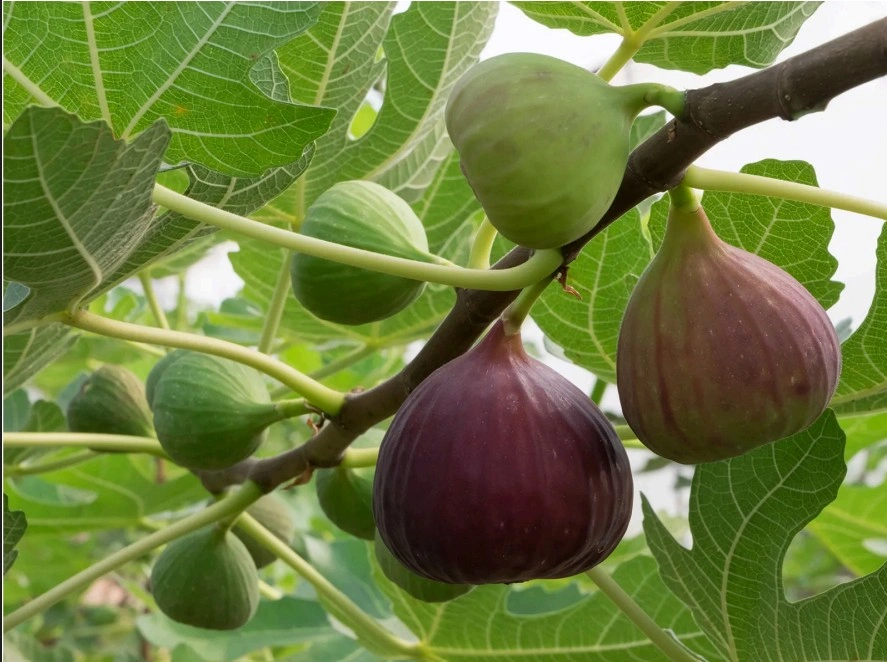
So next time you’re crunching on a sweet, chewy Smyrna fig from Turkey, give a tiny nod to a microscopic wasp that made all that deliciousness possible. No sting, all zing—nature’s oddball partnership at its very best.
Let's talk about your next project
Click the button to fill out a form or give us a call to set up a free in-home consultation.